
"Brazil coffee crop"
1000 article(s) found

Rain may hinder the harvest of coffee crops in Brazil
Harvest in Brazil, the world's largest producer of coffee and sugar cane, is likely to slow as rain is expected to fall for four to five days in southeastern Brazil from Thursday, forecasters said on Thursday. Brazil is currently in a dry season, consistent with the peak harvest of sugar cane and coffee crops in the region. The dry season in Brazil usually begins in May and lasts until September. Rainfall helps coffee trees in Brazil

Brazil approves registration of herbicide Heat on coffee crops
Heat is a conditional selective contact herbicide containing pyrimidine diketone active substance phenylsulfonamide. Benzenesulfonate is registered under the brand name Kirox all over the world. It is a flexible active molecule in terms of application time. It can be used before sowing, directly spraying to wither the weeds without touching the crops. BASF said the herbicide had different mechanisms of action.
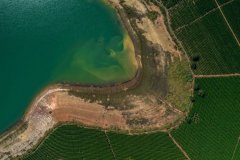
Flavor characteristics of coffee beans in Sao Paulo, Brazil 2021 the yield of Brazilian coffee decreased due to drought
After a record harvest in 2020, Brazil is likely to see one of the worst declines in coffee production in 2021. The drought brought by La Nina has hit new crops during the critical flowering period and is likely to depress the yield of Brazilian coffee. In the course of Brazil's history and economic development, coffee cultivation in Brazil has undergone significant changes, especially in terms of production location.

Analysis on the characteristics of Brazilian Coffee Price list of Brazilian slimming Coffee Market trend of Brazilian Coffee in 2018
Professional coffee knowledge exchange more coffee bean information please follow the coffee workshop (Wechat official account cafe_style) in-depth understanding of the world's largest coffee producer Brazil coffee bean grade despite the rainfall Brazil 2018-19 unease continues: the market will wait a while to confirm the prospects of the next Brazilian coffee crop, because the stage of crop development is not enough to judge yield.

Introduction to the producing area of Brazilian Coffee Manor with strong fragrance
In terms of natural conditions, Brazil is in the tropics, with a tropical rain forest climate in the north, hot and humid all the year round, suitable for tropical crops, coffee trees are sunny crops, and sufficient sunlight is the condition for their growth. Historically, Brazil has been a Portuguese colony for a long time. In order to meet the needs of Western Europe, Brazilian coffee has been growing single crops for a long time and developing tropical plantations.

Introduction of varieties with flavor and taste characteristics of Brazilian coffee manor with diversity
In terms of natural conditions, Brazil is in the tropics, with a tropical rain forest climate in the north, hot and humid all the year round, suitable for tropical crops, coffee trees are sunny crops, and sufficient sunlight is the condition for their growth. Historically, Brazil has been a Portuguese colony for a long time. In order to meet the needs of Western Europe, Brazilian coffee has been growing single crops for a long time and developing tropical plantations.
ICE coffee fell due to negative technical signals and uncertainty about crop damage caused by drought in Brazil
June 2-Coffee futures fell in trading volatility on Monday as speculators and producers continued to sell as technology was weak and uncertainty over the damage to crops caused by drought in Brazil, the world's largest grower.
Morning Review: Arabica Coffee Futures fell as rainfall in Brazil eased concerns about crop damage
New YORK / London (Reuters)-ICE Arabica coffee futures plunged as much as 4 percent on Wednesday as technical weakness triggered a late sell-off and rain in Brazil, the largest coffee grower, eased fears of drought damage. ICE raw sugar futures fell as cocoa futures fell due to short-term ample supply as more investors expected a glut.

Introduction of Brazilian Yellow bourbon Coffee Bean Flavor description Grinding scale Variety Taste Manor
Brazil yellow bourbon coffee bean flavor description grinding scale variety taste manor introduction Brazil is in the tropics, the north is a tropical rain forest climate, hot and humid all the year round, suitable for the growth of tropical crops, coffee trees are sunny crops, sufficient sunlight is the condition for its growth. Historically, Brazil has been a Portuguese colony for a long time, and it has been ordered for a long time to meet the needs of Western Europe.

Description of Brazilian Coffee Flavor with extremely smooth entrance introduction of varieties with the characteristics of grinding degree
In terms of natural conditions, Brazil is in the tropics, with a tropical rain forest climate in the north, hot and humid all the year round, suitable for tropical crops, coffee trees are sunny crops, and sufficient sunlight is the condition for their growth. Historically, Brazil has been a Portuguese colony for a long time. In order to meet the needs of Western Europe, Brazilian coffee has been growing single crops for a long time and developing tropical plantations.

Description of Brazilian Coffee Flavor with smooth taste introduction to Culture of planting Environment of varieties in producing areas
In terms of natural conditions, Brazil is in the tropics, with a tropical rain forest climate in the north, hot and humid all the year round, suitable for tropical crops, coffee trees are sunny crops, and sufficient sunlight is the condition for their growth. Historically, Brazil has been a Portuguese colony for a long time. In order to meet the needs of Western Europe, Brazil has been planting single crops for a long time and developing tropical plantation economy.
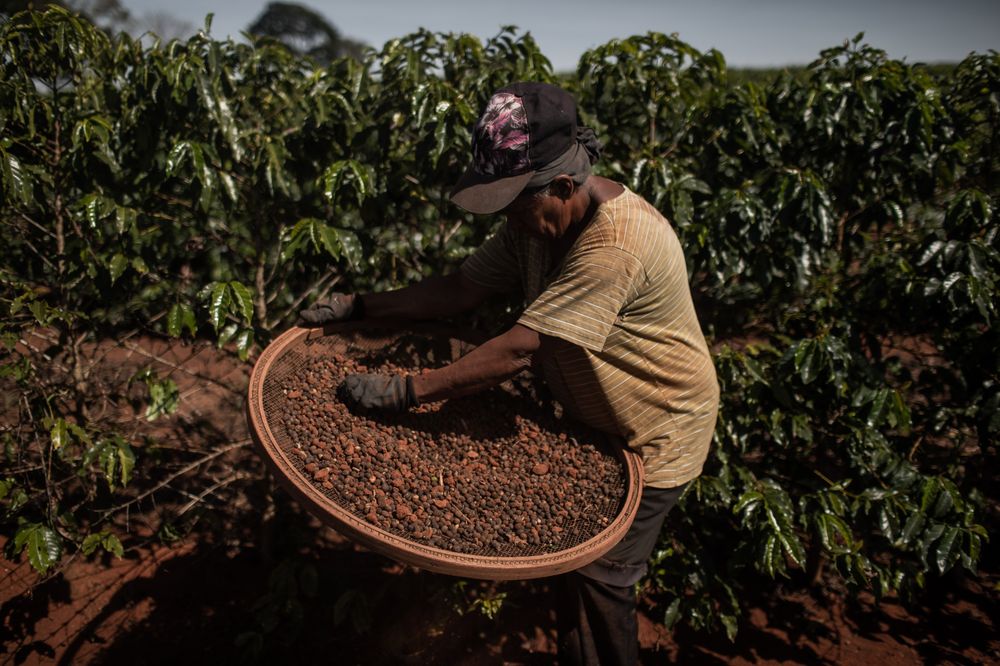
Brazilian coffee production will be reduced due to drought in Brazilian coffee producing areas.
Professional coffee knowledge exchange more information about coffee beans Please follow Coffee Workshop (Wechat official account cafe_style) Brazil is now the world's largest exporter of coffee, sugar and orange juice, however, it has recently been extremely rare. Brazil's main agricultural exports are concentrated in the south-central part of the country, where land has recently cracked and rivers are low. The drought situation
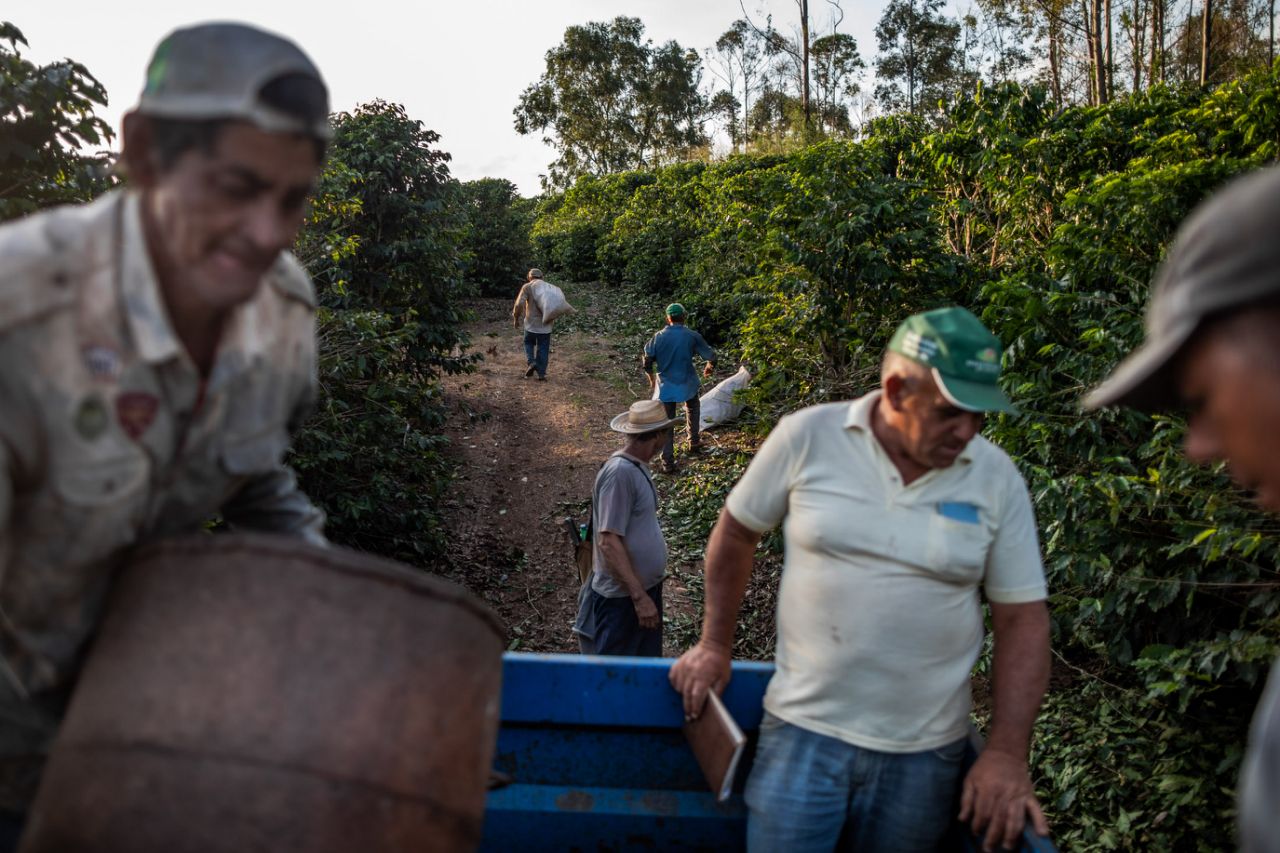
Coffee is getting cheaper, but Brazil has found a way to increase production quickly at a low cost.
Professional coffee knowledge exchange more coffee bean information follow coffee workshop (Wechat official account cafe_style) Rodrigo Freitas Silva (Rodrigo de FreitasSilva) Coffee farm in the heart of Brazil is booming, even after the worst price crisis in decades. In the past decade, the 41-year-old man has planted his noodles
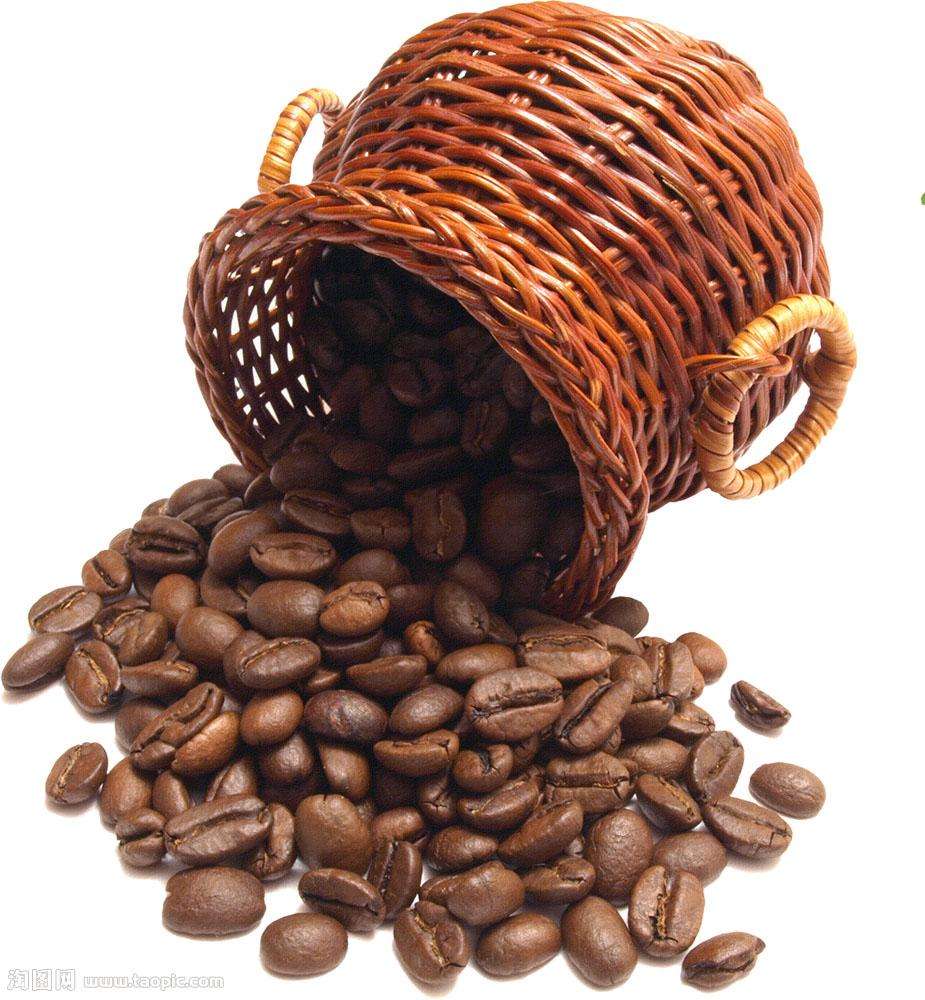
Coffee bean growing situation in Brazil coffee bean producing area
Following caf é (Wechat official account vdailycom) found that Beautiful Cafe opened a small shop of its own in Brazil. In terms of natural conditions, Brazil is located in the tropics, the north is a tropical rain forest climate, hot and humid all the year round, suitable for tropical crops, coffee tree is a sunny crop, sufficient sunlight for its growth conditions. The decline in coffee production in Brazil has directly pushed up coffee beans in the international market.

Brazil Boutique Coffee Estate Introduction: Brazil Capin Blanco Estate
Professional coffee knowledge exchange More coffee bean information Please pay attention to coffee workshop (Weixin Official Accounts cafe_style) Brazil is a rich and beautiful land, Brazil is also the world's largest coffee producer, known as the coffee country. Coffee grown in Brazil ranges from the old Arabica coffee to the young Roberto coffee. Brazil, in terms of natural conditions,
In the Brazilian heat wave, the coffee market burns in the trees.
The farmers can't break through the weather now. While cold attacks threaten winter crops in the United States, scorching temperatures are endangering record prospects for Brazil's coffee harvest. The usually sturdy robusta beans-used for instant coffee and espresso-are even roasted before unheated heating in Holy Spirit and Bahia. According to the data of adding weather, the highest atmosphere of the month
ICE raw sugar futures hit an one-month level and coffee futures fell due to rainfall in Brazil.
New YORK / London (Reuters)-Intercontinental Exchange (ICE) raw sugar futures hit an one-month high on Wednesday, while Arabica coffee futures fell on expectations that rains in Brazil will ease pressure on sugar and coffee crops in Brazil. Cocoa futures in New York fell on spread trading and strong supply in West Africa. ICE- March raw sugar futures closed down 0.17 cents, or 1.1%, at 15.51 cents per pound.

Coffee is the No. 1 crop in global trade. Ranking of coffee production and consumption
Exchange of professional baristas Please pay attention to Coffee Workshop (Wechat official account cafe_style) Coffee is the No. 1 item in world crop trade volume, surpassing rice and wheat, while the world's largest coffee producer is Brazil, the largest consumer is the United States, and Finland has the highest coffee consumption per person, with an average of 4 to 5 cups of coffee per person per day. Author = Choi Rongxia (Korean)

Where are the main producing areas of Brazilian coffee distributed? Brazilian coffee growing environmental conditions determine flavor quality
Professional coffee knowledge exchange More coffee bean information Please pay attention to coffee workshop (Weixin Official Accounts cafe_style) Front Street-Brazil coffee introduction Brazil is in the tropical region, the north is tropical rain forest climate, hot and humid all year round, suitable for tropical crops growth, coffee trees are sun-loving crops, sufficient sunlight for its growth conditions. Brazil was a Portugal colony for a long time. In order to satisfy

Introduction of Parana Coffee producing area in Brazil the flavor characteristics of Parana coffee
Parana is a very important agricultural region in Brazil, producing 25 per cent of its crops, although it accounts for only 2.5 per cent of the country's total. Coffee used to be the most productive crop in the region, but after the frost in 1975, many producers began to diversify. In the past, about 22 million bags of coffee were produced in this area, but now there are only about 2 million bags. The selection of the original colonists